
5 Lessons African Agribusiness Can Learn from Brazil's Coffee Industry

Brazil accounts for one-third of global coffee production today, whereas 150 years ago, Africa was at the forefront of coffee production worldwide. What led to this shift? More importantly, what lessons can African coffee producers draw from Brazil's rapid ascent?
From Colony to Coffee Giant

Coffee was introduced to Brazil in the 1720s from Ethiopia, Africa. By the 1840s, Brazil was responsible for half of the world's coffee production. Currently, although Ethiopia, Uganda, and Kenya are known for their coffee production, Brazil leads the industry with its large-scale production, quality, efficiency, and advanced market strategies.
This story isn't about one continent triumphing over another; it's about exchanging knowledge for mutual benefit. Here are five strategies that Brazilian coffee producers have mastered, which African growers can adopt.
Lesson 1: Mechanization Without Losing Quality
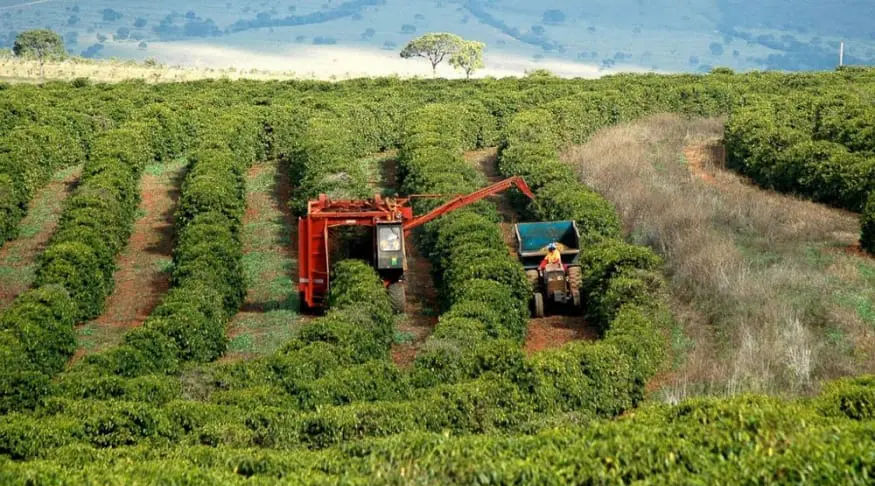
Brazil pioneered mechanical harvesting for coffee, which many said would destroy quality. Instead, Brazilian engineers developed selective harvesters that pick only ripe cherries, maintaining quality while cutting labor costs by 60%.
African Application: While full mechanization may not suit all African contexts, semi-mechanical tools for processing and sorting can dramatically improve efficiency without requiring massive investment.
Lesson 2: Building Cooperatives That Actually Work
Brazilian coffee cooperatives aren't just buying groups, they're sophisticated businesses that provide credit, technical assistance, and direct market access. The largest, Cooxupé, represents 20,000 farmers and negotiates directly with Starbucks and Nestlé.
African Application: Strengthening existing farmer organizations to handle processing, certification, and marketing can capture more value for African producers. The infrastructure exists, but it needs scaling, government support, and professionalization.
Lesson 3: Research-Driven Variety Selection

Brazil invested heavily in developing coffee varieties suited to local conditions. Today, varieties like Mundo Novo and Catuaí are optimized for Brazilian soil, climate, and harvesting methods, yielding 30-40% more than traditional varieties.
African Application: African nations have incredible coffee genetic diversity. Combining this heritage with modern breeding techniques could create superior varieties that thrive in African conditions while appealing to specialty markets.
Lesson 4: From Commodity to Specialty Branding

While maintaining commodity production, Brazil also developed a strong specialty coffee sector. Regions like Minas Gerais now command premium prices for microlots, with traceability and quality scores rivaling any origin.
African Application: African coffee is already esteemed, with renowned country brands like Ethiopian Yirgacheffe and Kenyan AA. Nations such as Uganda, Rwanda, and Tanzania have the chance to go beyond these famous names, creating regional brands and establishing direct-trade relationships that eliminate intermediaries.
Lesson 5: Climate Adaptation and Sustainability
Facing climate challenges, Brazilian producers have invested in irrigation, shade management, agroecological practices and agroforestry systems. They proved that environmental sustainability and profitability aren't opposing goals.
African Application: As climate change impacts, like extended droughts, affect traditional African coffee-growing regions, Brazilian methods for water management, soil conservation, and crop diversification provide effective adaptation strategies.
The Path Forward: Collaboration Over Competition
The global coffee market isn't zero-sum. Growing demand means room for both Brazilian efficiency and African specialty excellence. The real opportunity is cross-pollination of ideas.
Kukuza Agronegócio is facilitating this exchange between the two continents by organizing training programs, study tours, and continuous consultation.
Interested in some of these incorporating insights into your operations? Participate in our upcoming in-person programs in Brazil, such as the 'Safari Do Cafe', arrange an online consultation, or contact us at info@kukuzaagronegocio.com to learn more about how you can take advantage of these opportunities.


