
Transforming Communities Through Coffee Farming Insights

Coffee farming is more than just growing beans; it is a powerful tool for community transformation. By adopting effective coffee farm consulting practices, farmers can improve their yields, increase income, and contribute to sustainable development. This article explores how coffee farm consulting can empower communities, enhance farming techniques, and create lasting positive impacts.
The Role of Coffee Farm Consulting in Community Development
Coffee farm consulting provides expert guidance to farmers, helping them optimize their production processes. Consultants analyze soil quality, recommend suitable coffee varieties, and advise on pest management. This tailored support enables farmers to increase productivity and quality.
For example, in many regions in Africa and South America, farmers struggle with outdated farming methods that limit their output. Coffee farm consulting introduces modern techniques such as drip irrigation, organic fertilizers, and shade management. These improvements not only boost yields but also reduce environmental impact.
Moreover, consulting services often include training on financial management and market access. Farmers learn how to negotiate better prices and connect with buyers directly. This empowerment leads to higher incomes and improved livelihoods.

How Coffee Farm Consulting Enhances Sustainability
Sustainability is a key focus in coffee farm consulting. Experts encourage practices that protect natural resources and promote biodiversity. For instance, agroforestry systems integrate coffee plants with native trees, providing shade and preserving soil health.
Consultants also emphasize water conservation techniques. Installing rainwater harvesting systems and efficient irrigation reduces water waste. These measures help communities adapt to climate change and maintain long-term productivity.
In addition, sustainable pest control methods such as biological agents replace harmful chemicals. This approach safeguards the environment and ensures safer coffee for consumers.
By adopting these sustainable practices, communities can maintain their coffee farms for generations while protecting their ecosystems.
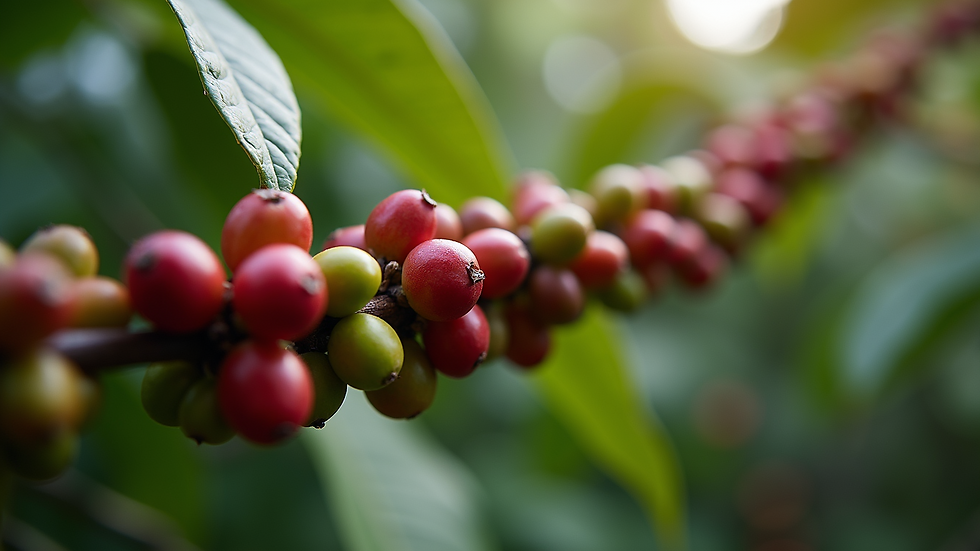
What is a coffee farm called?
A coffee farm is commonly referred to as a "coffee plantation" or "coffee estate” or “fazenda de café (commonly used in Brazil)” These terms describe land areas dedicated to cultivating coffee plants. Depending on the region and scale, coffee farms can range from smallholder plots to large commercial estates.
Smallholder farms often focus on family-based production with limited acreage (between 10000sq ft to 5 acres). These farms benefit greatly from consulting services that provide tailored advice to maximize output and quality.
Large coffee estates (usually above 50 acres) may employ advanced machinery like drone spraying, autonomous harvesting vehicles to manage farms and usually have access to extensive resources. Consulting in these settings often involves optimizing operational efficiency and implementing sustainability certifications.
Understanding the terminology helps in communicating effectively within the coffee industry and accessing appropriate resources.
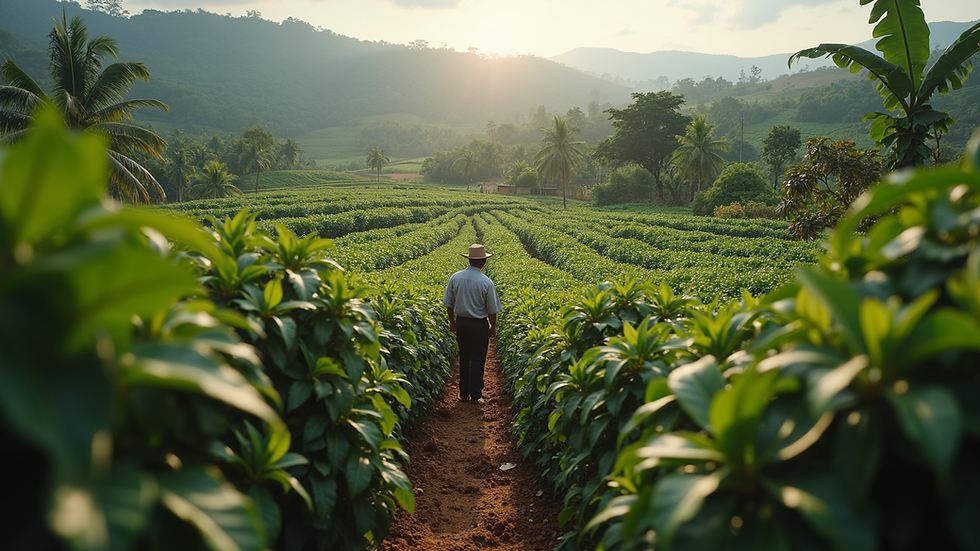
Practical Tips for Implementing Coffee Farm Consulting Insights
Farmers and community leaders can take several actionable steps to benefit from coffee farm consulting:
Engage with Certified Consultants - Seek professionals with proven experience and local knowledge.
Conduct Soil Testing - Regular soil analysis atleast every two years helps determine nutrient needs and appropriate fertilizers.
Adopt Integrated Pest Management - Use a combination of biological, cultural, and chemical methods to control pests sustainably.
Invest in Training - Participate in workshops and training sessions to stay updated on best practices.
Improve Post-Harvest Handling - Proper drying and storage techniques preserve coffee quality and increase market value.
Explore Market Opportunities - Connect with cooperatives and specialty coffee buyers to access premium prices.
By following these recommendations, communities can transform their coffee farms into profitable and sustainable enterprises.
The Broader Impact of Coffee Farm Consulting on Communities
Beyond improving farm productivity, coffee farm consulting fosters social and economic development. Increased income from better coffee sales enables families to invest in education, healthcare, and infrastructure.
Consulting programs often encourage cooperative formation, strengthening community bonds and collective bargaining power. This collaboration leads to shared resources, knowledge exchange, and improved resilience.
Furthermore, sustainable coffee farming practices contribute to environmental conservation, benefiting the entire community. Cleaner water sources, preserved forests, and reduced chemical use create healthier living conditions.
Ultimately, coffee farm consulting acts as a catalyst for holistic community transformation, combining economic growth with social and environmental well-being.
For those interested in learning more about how expert guidance can promote sustainable coffee production, exploring coffee farming resources and consulting services is a valuable first step. Embracing these insights can unlock the full potential of coffee farms and the communities they support.


